Beef 101: From Steak and Yakiniku to Shabu
- 6 February 2026
Beef 101: From Steak and Yakiniku to Shabu
1. Nutrition
- Calories: 217 | Water: 61%
- Protein: 26.1 g | Fat: 11.8 g
- Carbs/Sugar/Fiber: 0 g
Protein and Fat Quality
- High-Quality Protein: Cooked lean beef provides about 22-26% protein. It contains all nine essential amino acids necessary for body growth and maintenance.
- Beef Fats: Beef contains a mix of saturated and monounsaturated fats. It also harbors ruminant trans fats like Conjugated Linoleic Acid (CLA). Unlike industrial trans fats, CLA is naturally occurring and has been linked to various health benefits.
- Essential Micronutrients: Beef is an excellent source of Vitamin B12, B6, Zinc, Selenium, Iron, Niacin, and Phosphorus. It also contains bioactive compounds like Creatine (for muscle energy) and Taurine.
2. Nutritional Comparison of Beef Products (per 100g)
Type of Beef | Calories | Protein (g) | Fat (g) | Sodium (mg) |
GroundBeef (Cooked) | 217 | 26.1 | 11.8 | 68 |
BeefJerky | 410 | 33.2 | 25.6 | 1,780 |
BeefRoast | 206 | 29.08 | 9.72 | 372 |
BeefSausage | 332 | 18.2 | 28 | 813 |
BeefTongue | 284 | 19.3 | 22.3 | 65 |
BeefTallow (Fat) | 902 | 0 | 100 | 0 |
3. Key Health Benefits
- Muscle Maintenance: Beef is rich in Leucine, an amino acid vital for muscle repair and growth. It helps prevent sarcopenia (age-related muscle loss) in older adults.
- Enhanced Exercise Performance: Beef provides Beta-alanine, which the body uses to create carnosine. High muscle carnosine levels are linked to reduced fatigue and better performance during strength training.
- Anemia Prevention: Beef is one of the best sources of Heme Iron, which the body absorbs much more efficiently than iron from plants. It also contains the “meat factor,” which helps you absorb iron from other foods in your meal.
4. Risks and Health Considerations
Heart Disease and Cancer
- Heart Disease: Some studies link high red meat intake to heart disease. While the link to saturated fat is debated, most health authorities recommend limiting saturated fat to under 10% of your daily calories.
- Cancer Risk: High consumption of red meat is sometimes linked to colon cancer. This may be due to Heterocyclic Amines (HCAs)—carcinogenic substances formed when meat is cooked at very high temperatures (grilling or frying). Steaming, boiling, or stewing are healthier cooking alternatives.
Other Downsides
- Parasites: Eating raw or undercooked beef increases the risk of beef tapeworm infections.
- Iron Overload: People with a genetic condition called hemochromatosis should limit beef, as excessive iron accumulation can damage the heart and liver.
5. Grass–Fed vs. Grain–Fed Beef
How a cow is raised changes the nutritional value of its meat:
- Grass-Fed Beef: Generally more expensive but contains more Omega-3 fatty acids, antioxidants (Vitamin E, Carotenoids), and lower levels of saturated fat.
- Grain-Fed Beef: The standard in modern production; while still nutritious, it lacks the higher levels of healthy fats and antioxidants found in grass–fed varieties.
Beef is a nutritional powerhouse that supports muscle health and prevents anemia. However, it should be consumed in moderation. To maximize health benefits, choose lean cuts, avoid overcooking at high temperatures, and balance your intake with plenty of fruits, vegetables, and fiber.
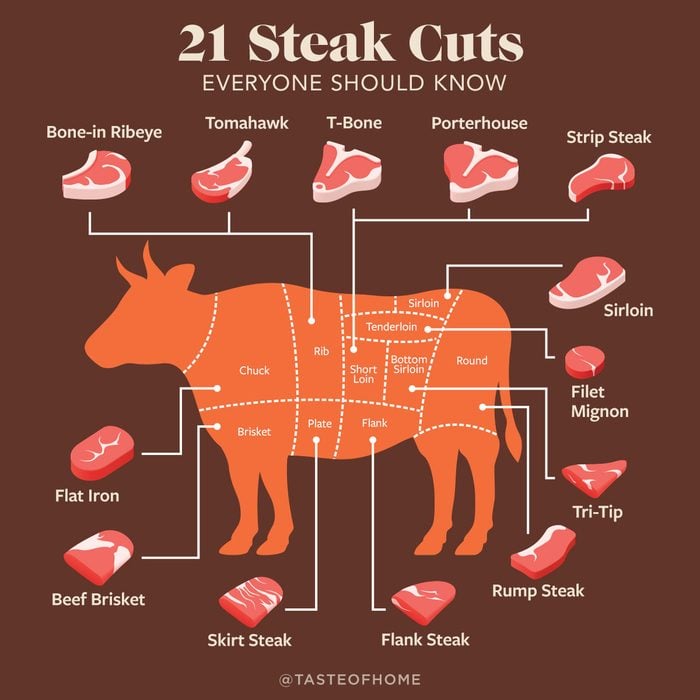
The Ultimate Steak Lover’s Guide: Understanding Every Cut
Whether you are looking for the most tender bite or the richest flavor, this guide will help you choose and cook beef like a professional chef.
Pro–Tip: Understand the Muscle
The secret to a great steak is knowing where it comes from on the cow:
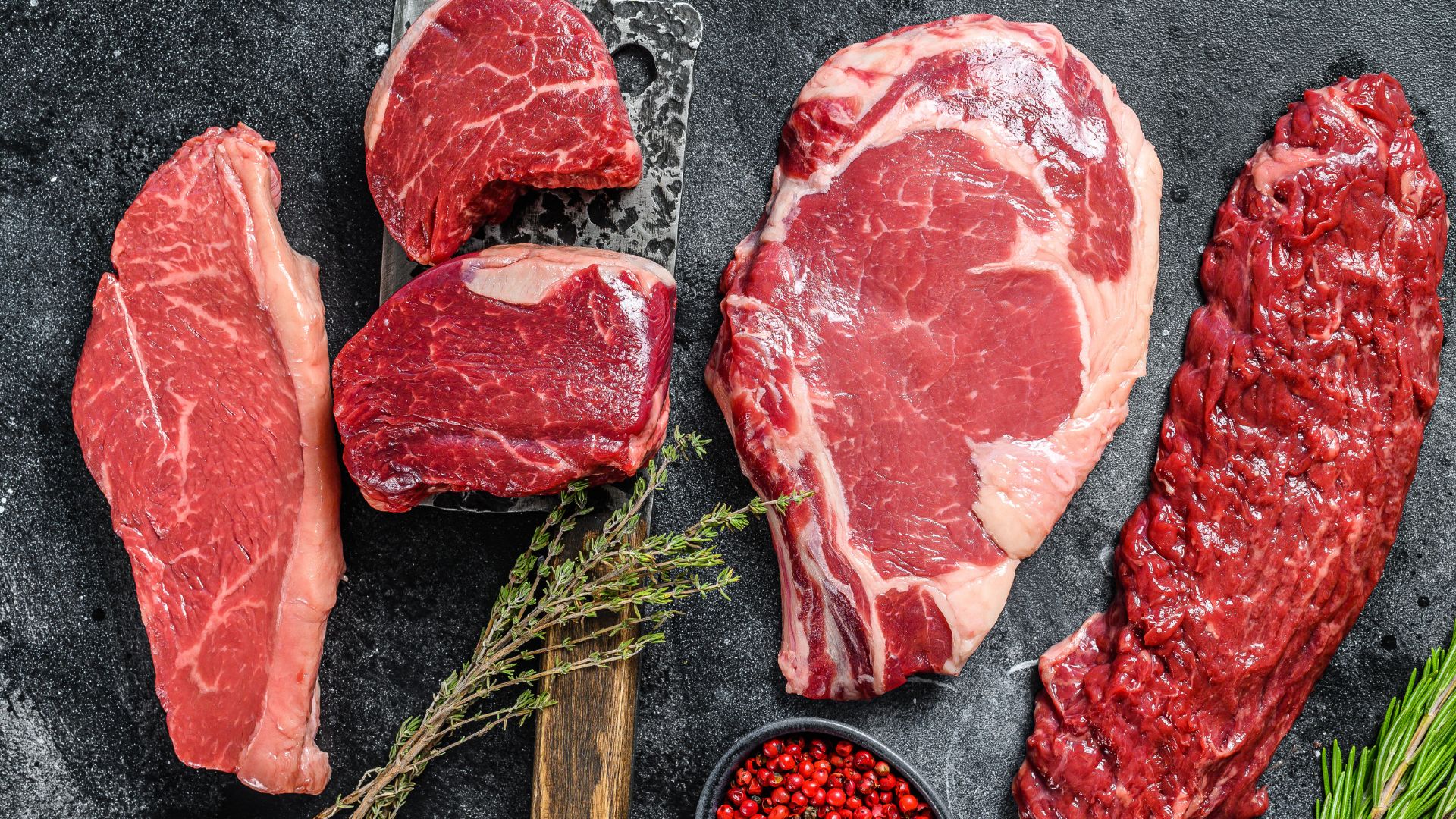
- Under-worked muscles (The Middle): These areas (like the Rib or Loin) don’t move much. The meat is very tender with high fat marbling. Use hot and fast cooking methods like grilling or pan-searing.
- Over-worked muscles (Shoulders, Legs, Belly): These muscles work hard, making them tougher but very flavorful. These cuts need marinating or slow cooking to become tender.
21 Types of Steak: A Deep Dive
- Filet Mignon: The most tender cut. It has almost no fat, so it can dry out easily. Best cooked Medium-Rare and served with a sauce.
- Ribeye: The juiciest cut with lots of fat marbling. Very flavorful and stays moist even if slightly overcooked.
- Tomahawk / Cowboy Steak: A Ribeye with the bone left in. It looks impressive. Sear it in a pan first, then finish it in the oven.
- Strip Steak (New York Strip): A balanced cut with a strong beef flavor. It’s a bit chewier than a Ribeye but very tasty.
- T-bone: Two steaks in one! You get a Filet on one side and a Strip on the other, separated by a T-shaped bone.
- Porterhouse: A larger version of a T-bone with a much bigger Filet section.
- Bone-In Filet: Offers the buttery texture of a Filet but with extra flavor provided by the bone.
- Top Sirloin: A lean, affordable, and very beefy steak. Do not cook past Medium, or it will become dry.
- Tri-Tip: A triangular cut from the bottom sirloin. Great for grilling, tacos, or sandwiches.
- Coulette (Picanha): Popular in Brazil. It has a thick fat cap on top that makes the meat buttery and rich.
- Flat Iron: A shoulder cut that is surprisingly tender if the middle gristle is removed.
- Denver Cut: An affordable shoulder cut with great marbling, similar to more expensive steaks.
- Chuck Steak: Very flavorful but tough. Marinate it overnight and grill over medium heat.
- Flank Steak: A flat, thin cut. It must be marinated in something acidic (like lime juice) and sliced very thin against the grain.
- Skirt Steak: Very intense flavor. Usually used for fajitas or tacos. Best seared quickly over high heat.
- Flap Steak (Bavette): Similar to Flank or Skirt. It’s affordable and absorbs marinades very well.
- Hanger Steak: Known for its rich, “meaty” flavor. It’s best cooked to Medium-Rare or Medium.
- Top Round (London Broil): Very lean and can be tough. It is best used for stews or sliced very thin and pan-fried.
- Rump Steak: A lean cut from the back. It has a firm texture but a deep beef flavor.
- Cube Steak: Meat that has been mechanically tenderized (it has little marks on it). Best for Chicken-Fried Steak.
- Salisbury Steak: Not a solid piece of steak, but a seasoned ground beef patty served with gravy. A great budget option.
Steak 101
Which cut is the softest?
- Filet Mignon is the most tender. However, cuts like Ribeye, Denver, and Flat Iron are also exceptionally soft.
Which cut is the leanest?
- Round Steak (from the hip) has the lowest fat content. If you want a balance of tenderness and lean meat, Filet Mignon and Top Sirloin are your best options.
What does “Cutting Against the Grain” mean?
- Identify the direction of the muscle fibers and position your knife perpendicular to them (forming a “T” shape). This shortens the fibers, making the meat much easier to chew and more tender.
What is the ideal cooking temperature?
- The gold standard for most steaks is Medium-Rare (approx. 57°C or 135°F) to achieve the most tender and juicy results.
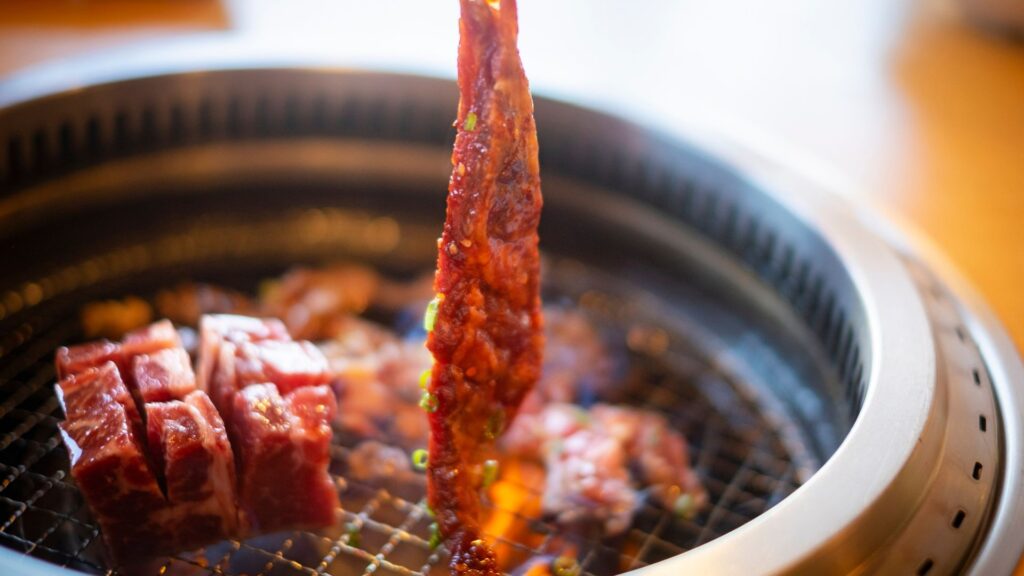
Yakiniku 101
- Shoulder & Chuck (Kata & Chuck): These are hard-working muscles that offer a robust beefy flavor. Usually grilled from rare to medium-rare, this section includes prized and rare cuts such as Chuck Roll (Kata Rosu), Chuck Flap (Zabuton), Top Blade (Misuji), Upper Top Blade, Shoulder Clod, Chuck Tender (Togarashi), Chuck Short Rib (Sankaku Bara), and Brisket.
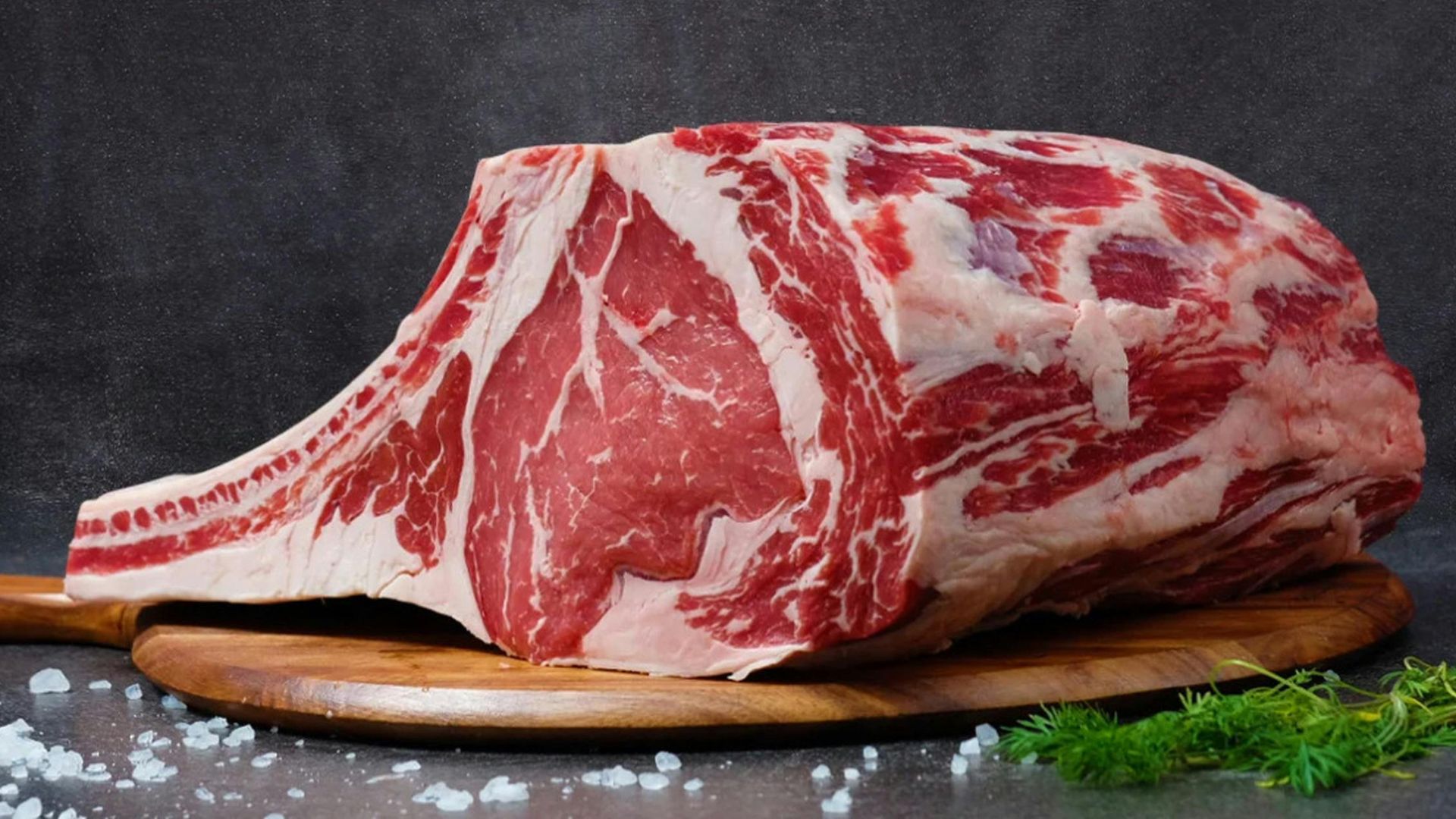
- Rib & Loin (Rib Rosu & Loin): The “superstars” of any yakiniku or steakhouse menu. These premium cuts include the Rib Cap (Rib Kaburi), Ribeye (Rib Shin), Ribeye Lip (Maki), and Sirloin.
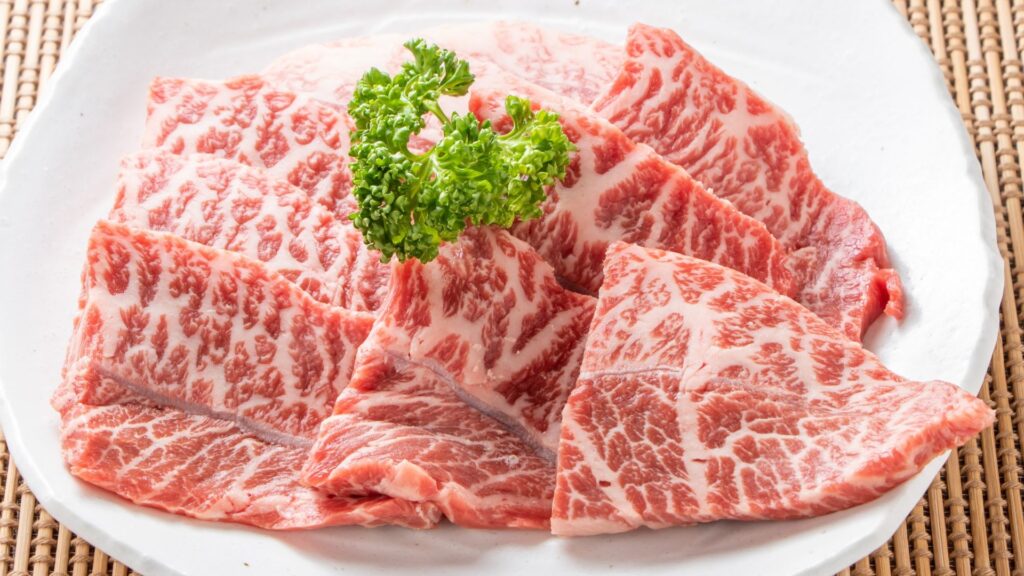
- Short Plate (Tomo Bara): Commonly known as “Karubi.” These cuts are best enjoyed from rare to medium doneness. Key cuts include Flap Meat (Kainomi), Flank (Sasabara), Rib Finger (Nakaochi Karubi), Boneless Short Rib (Tatebara), and Inside Skirt.
- Tenderloin (Hire): The most tender and expensive part of the cow. This section features the Tenderloin and the world-renowned Chateaubriand.
- Rump & Round (Ran Ichi, Momo & Shintama): The leanest selections available. These red meat cuts have minimal fat but offer a very distinct, deep beef flavor. This group includes the Top Sirloin Butt (Rump) and Eye of Round, Top Sirloin Cap (Ichibo), Heel and Outside Round, Super Digital Flexor Muscle (Senbon Suji), and the Knuckle (Shintama/Momo).
Shabu-Shabu 101
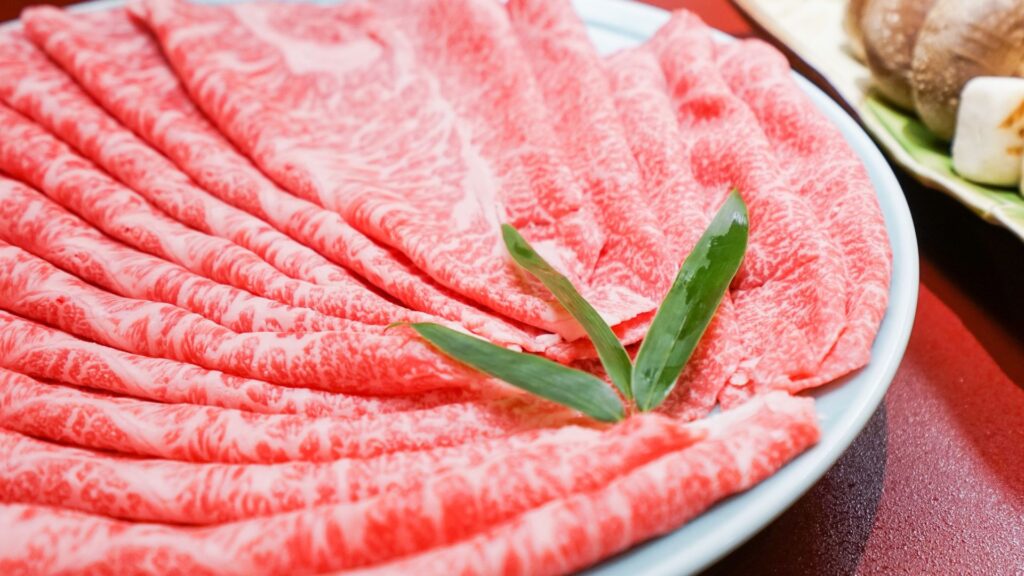
The name “Shabu-Shabu” is a Japanese onomatopoeia that mimics the “swishing” sound of meat being stirred in a hot broth. All ingredients are served fresh and raw, allowing diners to cook their own meal right at the table. This creates an interactive and enjoyable dining experience, similar to a savory version of fondue. Because the meat must be sliced paper-thin, the specific cut of beef chosen is crucial for the overall texture and taste.
- Rib: Exceptionally tender with high fat marbling.
- Chuck (Shoulder/Neck): Offers a very bold and robust beef flavor.
- Topside (Rump): Pure red meat, ideal for those who prefer a lean cut.
- Striploin (Sirloin): Features a perfect balance of tenderness and fat.
- Brisket: Provides a fun, chewy texture and a rich, aromatic fat.
Sharpen Your Passion Into Professional Skills
Understanding the names of beef cuts might help you order like a pro, but mastering the art of butchery—handling and fabricating each cut with your own hands—will forever transform your perspective on this premium ingredient.
If you are ready to dive deep into the world of professional butchery, from selecting the finest carcasses and whole-muscle fabrication to advanced trimming techniques that maximize value and flavor, The Food School Bangkok invites you to enroll in our specialized Butchery Course. Specifically designed for both meat enthusiasts and professional chefs, this program bridges the gap between raw ingredient and culinary excellence.
Train with industry experts in Bangkok’s most state-of-the-art culinary environment. Learn to make every cut with precision, purpose, and artistic flair.
Resourses