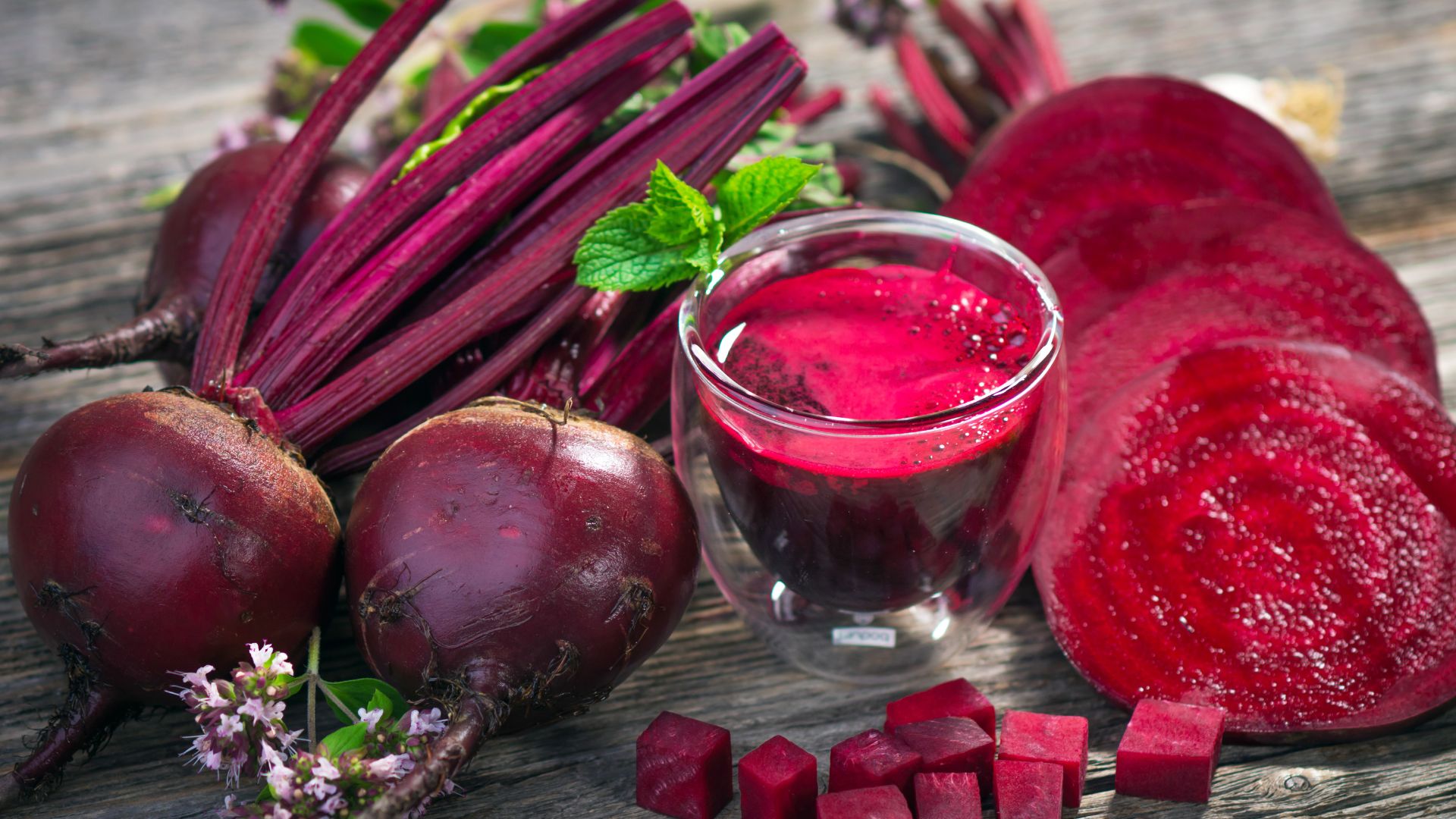
Beetroot Juice May Help Lower High Blood Pressure
- 19 December 2025
Beetroot Juice May Help Lower High Blood Pressure
This is good news for the millions of people managing hypertension (high blood pressure), which affects nearly 50% of U.S. adults, or about 120 million people.
Benefits of Beetroot Juice
- Latest Research Confirmation A 2025 study published in Free Radical Biology and Medicine by researchers from the University of Exeter found that drinking beetroot juice twice a day significantly helped lower blood pressure in older adults aged 67 to 79.
- Mechanism of Action Beetroot is naturally high in nitrates. When consumed, the body converts these nitrates into nitric oxide. This compound works to relax and open up blood vessels, improving circulation and helping to lower blood pressure.
- Cardiovascular Benefits The relaxation of blood vessels (known as vasodilation) reduces the strain on the heart and increases the flexibility of the arteries, thereby lowering the risk of heart attacks and strokes.
- Sustained Reduction Data from 2017 indicates that regular consumption of beetroot juice helps reduce both systolic (upper number) and diastolic (lower number) blood pressure, mitigating the risk of stroke and other hypertension-related complications.
Important Considerations and Optimal Dosage
- Quick and Sustained Effect Some studies suggest beneficial effects can appear within just 3 hours after drinking. For maximum, sustained benefit, regular consumption (even 2–3 times a week) and continuation for at least 60 days are recommended.
- Optimal Intake Drinking 1/2 to 1 cup (or approximately 250 mL) of 100% beetroot juice daily may yield the best results in lowering blood pressure.
Precautions
- Consult a Doctor Consult a doctor if you are taking blood pressure medication, as combining the two might lower your blood pressure too much.
- Fiber Intake Beetroot juice lacks dietary fiber, so it should not replace whole beets or other fiber-rich foods in your diet.
- Harmless Side Effect A change in the color of urine or stool to pink or red is a harmless side effect.
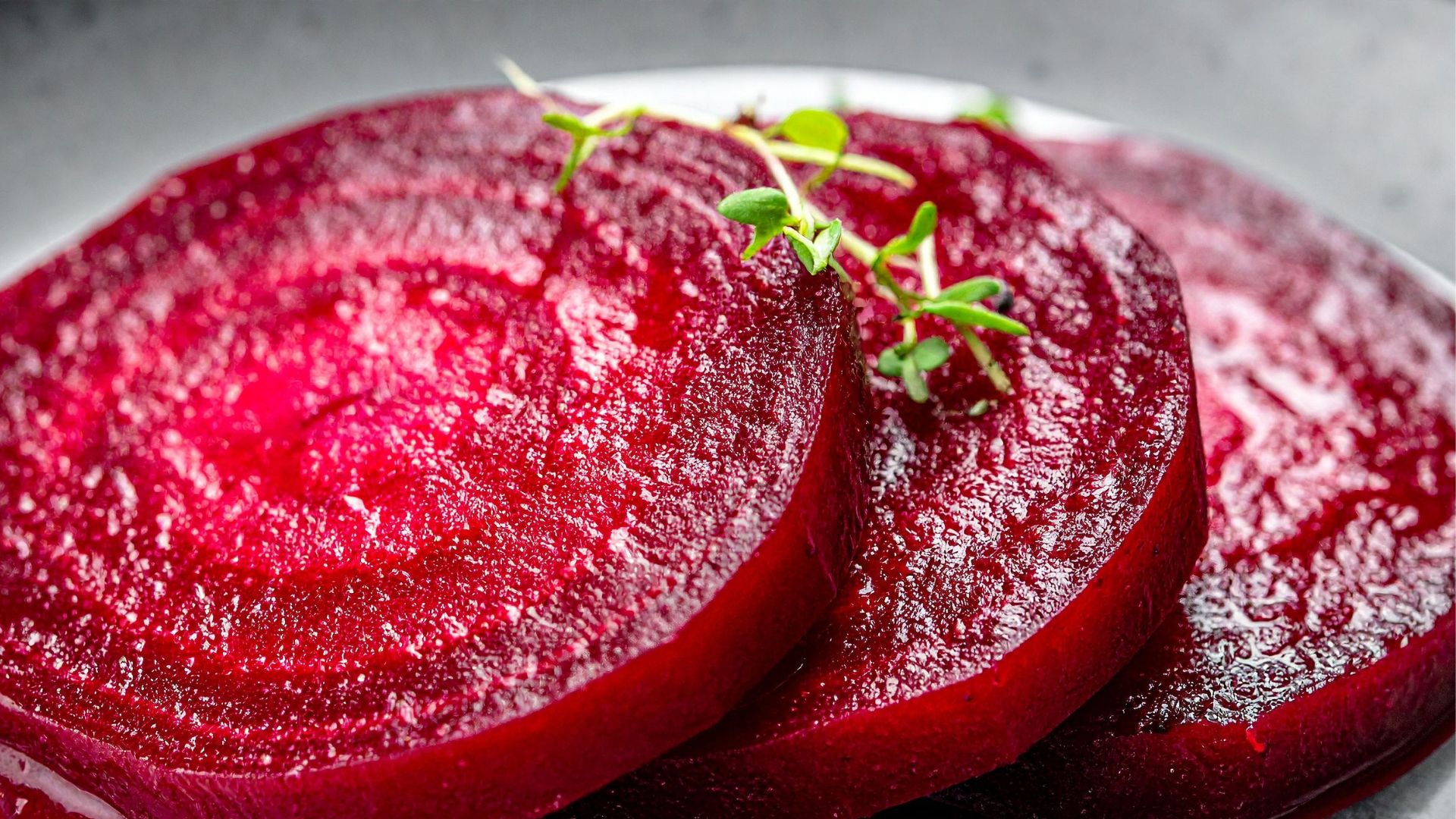
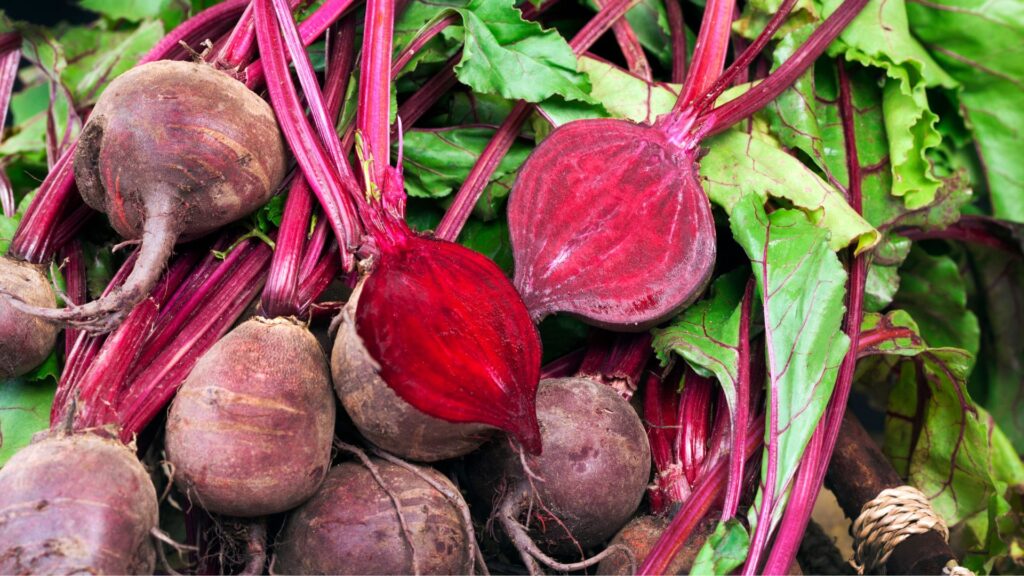
- Juice vs. Whole Beet While eating raw beets may help lower blood pressure, most studies focus on the juice. Therefore, there is insufficient scientific evidence to confirm that eating whole beets has the same beneficial effect as drinking the juice.
- Kidney Stones Risk Due to its high oxalate content, those at high risk for kidney stones should consume beetroot juice with caution.
Other Foods That Help Lower Blood Pressure
In addition to beetroot, consuming a variety of the following foods can help manage blood pressure
- Potassium-Rich Foods Such as bananas, potatoes, spinach, prunes, and dairy products (they help counteract the effects of sodium).
- Fiber-Rich Foods Such as fruits, vegetables, whole grains, beans, lentils, nuts, and seeds (they promote healthy blood flow).
- Low-Sodium Options Choose to season with spices instead of salt, and opt for low-sodium products.
- Heart-Healthy Fats Such as olive oil, avocados, nuts, seeds, and fatty fish (like salmon).
Resourses: foodandwine, medicalnewstoday, NIH
517