“Panettone” The Iconic Italian Christmas Bread
- 11 December 2025
“Panettone” The Iconic Italian Christmas Bread
History and Origin
This staple of Italian festive celebration dates back to the Middle Ages, when people would switch to a richer bread recipe for Christmas. This tradition was clearly documented in a 15th-century manuscript. Nevertheless, many legends surround the origin of Panettone.
Legend 1: The Broken-Hearted Nobleman and the Baker
The most popular legend tells the tale of a nobleman and falconer named Ughetto who fell in love with Adalgisa, the daughter of a baker facing financial hardship. Ughetto’s family forbade the match, so Ughetto disguised himself and took a job at the bakery. One day, he bought butter and sugar with money from selling his falcons and added them to the bread mix. His sweet bread became immensely popular, improving the bakery’s business. To please Adalgisa further, near Christmas, he added candied fruit peel and raisins to the mix. The bread became so famous that his family finally consented to the couple’s marriage.
Legend 2: Toni’s Bread
The second legend relates to the name itself. While Panettone literally translates as “big bread” (from panetto meaning dough and the suffix one meaning large), it is often translated as “Toni’s bread.”
The story goes that at the 15th-century court of Duke Ludovico, the chef burned the dessert during a Christmas celebration. A scullery boy named Toni offered a sweet loaf he had made from leftovers. The Duke loved it. The chef, unable to take credit, revealed Toni as the true creator, and the bread became known as “Panettone” (Toni’s bread).
Legend 3: The Kindhearted Nun
A less romantic tale claims the sweet bread was not created by Mr. Ughetto, but by Sister Ughetta, a nun who wanted to cheer up her fellow poor and miserable sisters at the convent one Christmas. She baked a cake, adding fruit and peel, and before baking, used a knife to cut a shape of a crucifix on the top. The cuts opened up into a beautiful dome, making the cake a pleasing addition to their meager festive meal.
Connection to Milan and Italy
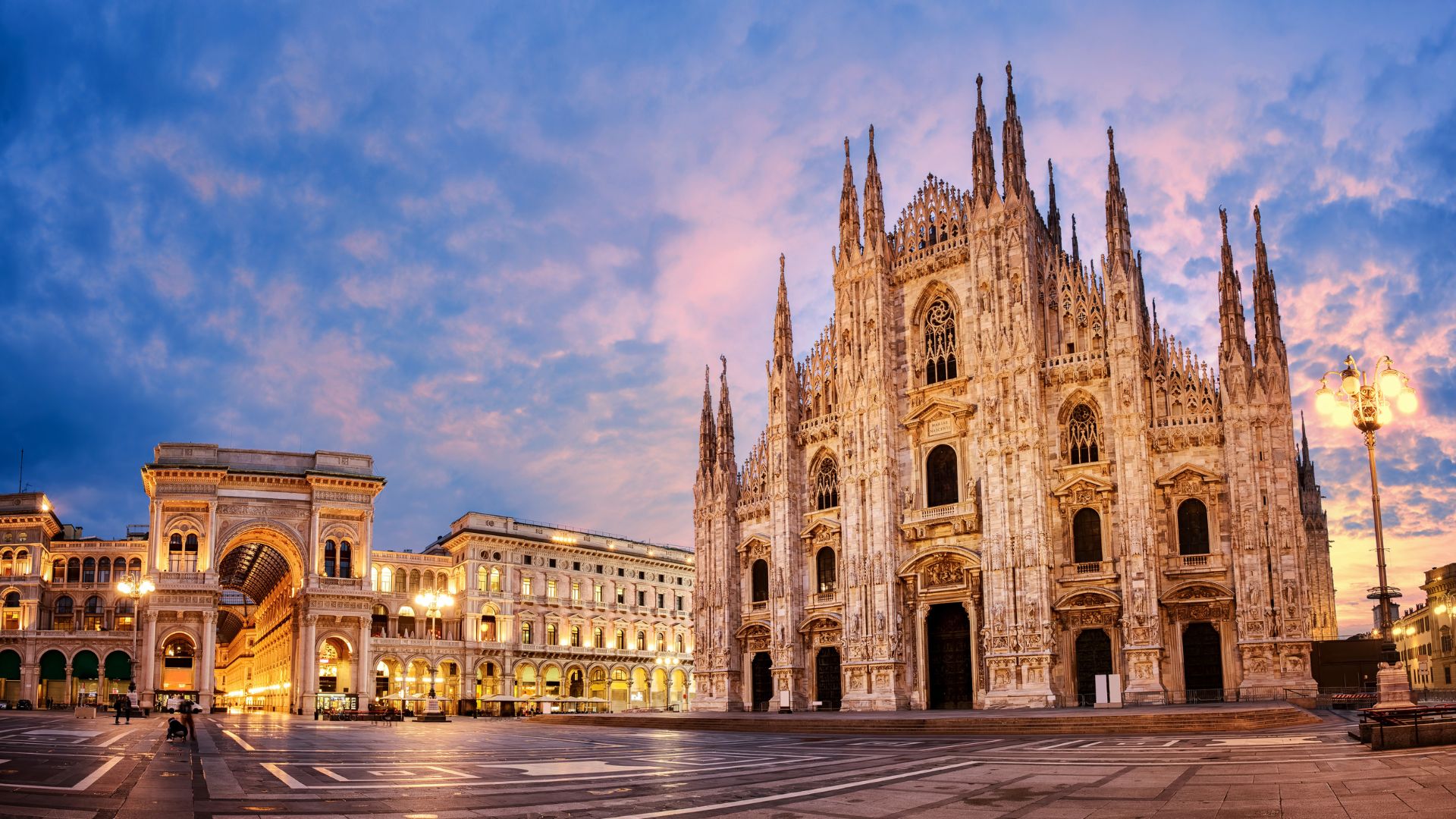
- Birthplace in Milan Panettone was invented and originated in the city of Milan in Northern Italy, dating back to the Renaissance era. It remained difficult to find outside Milan until the early 20th century.
- Symbol of the City Stanislao Porzio, a Panettone expert, stated that “this sweet is important for Milan, and the Milanese identify with this sweet.”
- National Christmas Dessert Today, Panettone has become the typical Italian Christmas dessert nationwide.
Sacred Tradition and The Long Process
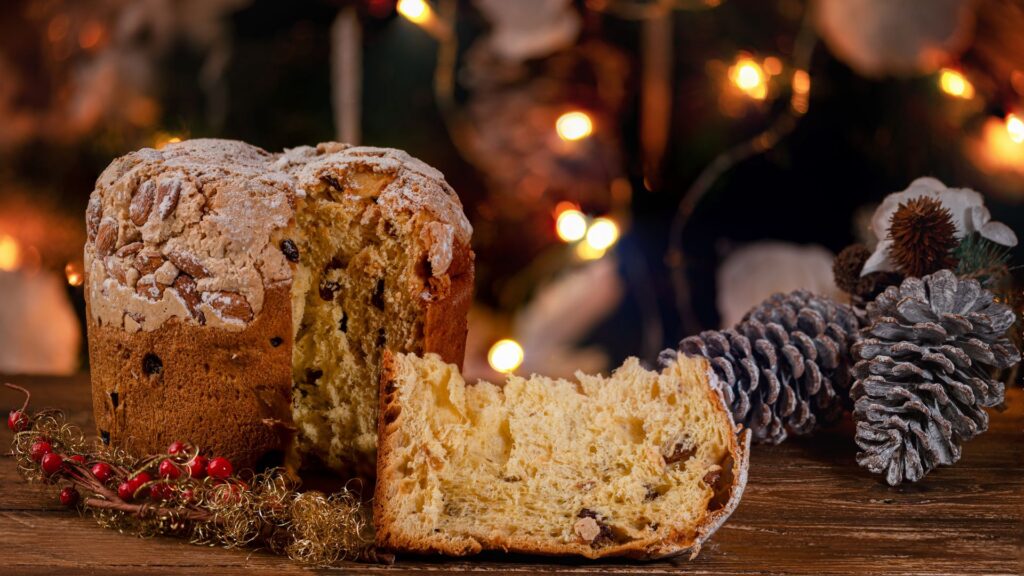
- More Than a Cake Panettone is generally classified as more of a bread than a cake, characterized by its soft, rich, leavened sweet dough studded with candied fruits and raisins.
- Ancient Tradition (February 3rd) One of the most important Milanese traditions is saving a slice of Panettone from Christmas to eat on February 3rd.
- The Reason This is the feast day of Saint Blaise (San Biagio), who is said to have saved a child choking on a fish bone by giving him bread. Eating the saved bread (often toasted with butter) on this day is believed to help protect the throat.
The Art of Traditional Hand-Made Panettone
- Time and Complexity Making Panettone is an extremely challenging endeavor, demanding skill, science, artistry, and patience. The traditional process requires a baker to work on the dough for at least 36 hours (not including the time spent on the starter culture).
- Mother Yeast (Lievito Madre) The most critical component is the natural yeast, or “mother yeast,” which is highly temperamental. It must be carefully monitored for acidity and temperature, often requiring bakers to sleep very little as they must interrupt the rising process at certain times.
- Rich Flavor The meticulous process gives each bakery’s Panettone a unique flavor, influenced by the microclimate and bacteria in their specific working environment.
Industrialization and Evolution
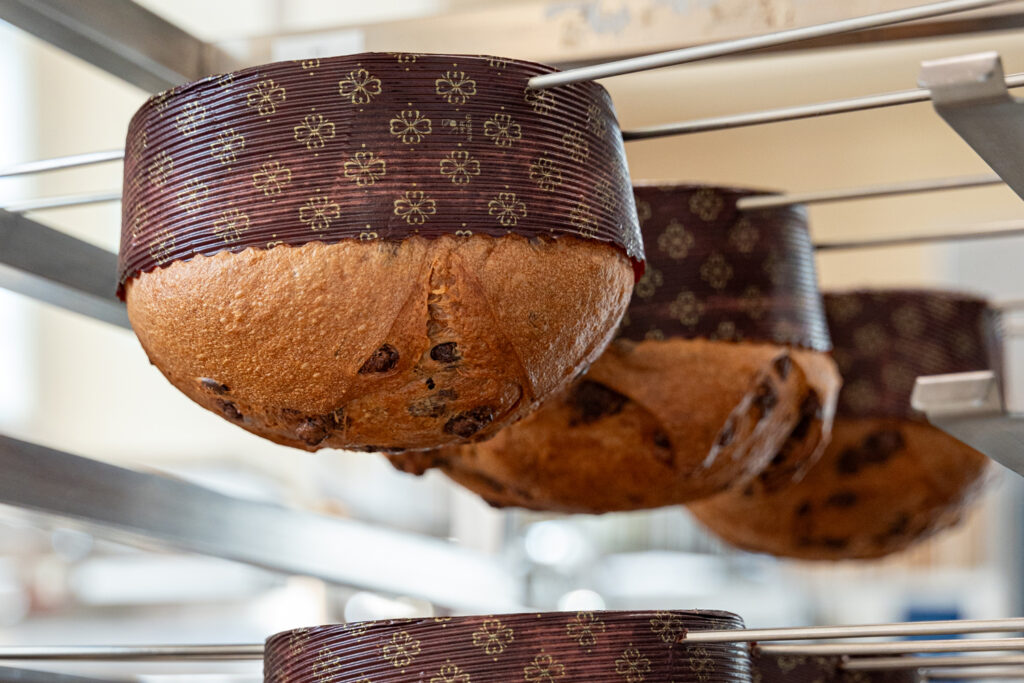
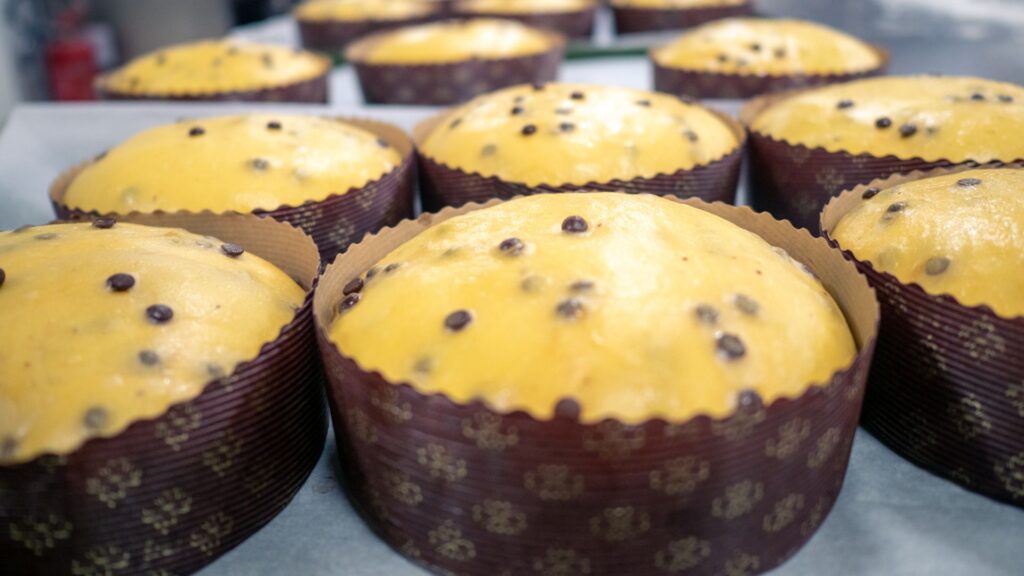
- The Dome Shape In the early 20th century, Angelo Motta was inspired by a Russian Easter cake to use a tall, cylindrical paper mold, giving Panettone the characteristic vertical, domed shape we see today.
- Industrial Production Motta and his competitors later streamlined the process, allowing Panettone to be manufactured and shipped all over Italy.
- Crucial Final Step Even after baking, there is one last critical step: the baker has only about 20 seconds to flip the cake upside down to prevent the dome from collapsing.
Reasons for the High Price
High Time and Skill
- Long Process: The traditional method requires at least 36 hours of labor on the dough.
- Challenge It requires immense skill, science, and patience to manage the demanding dough and the sensitive mother yeast (lievito madre). Bakers often have to sleep very little to ensure the process is perfect.
Rich Ingredients Cost
- High Butter Content In the last 20 years, the traditional recipe has been made much richer, with butter content increasing substantially (from 400g to about 1kg per 1kg of flour), significantly raising the material cost.
Quality and Detail
- Hand-Candied Fruit Some bakers increase quality by purchasing organic fruit and candying it themselves, a process that alone takes 20 days.
- Final Stage Skill The critical final step of flipping the cake upside down within 20 seconds also requires practiced skill and attention.
Resourses : BBC, Italymagazine