The Simple Comfort of “Oden”: A Japanese Winter Classic
- 4 December 2025
The Simple Comfort of "Oden" A Japanese Winter Classic
The Origin and Winter Tradition of Oden
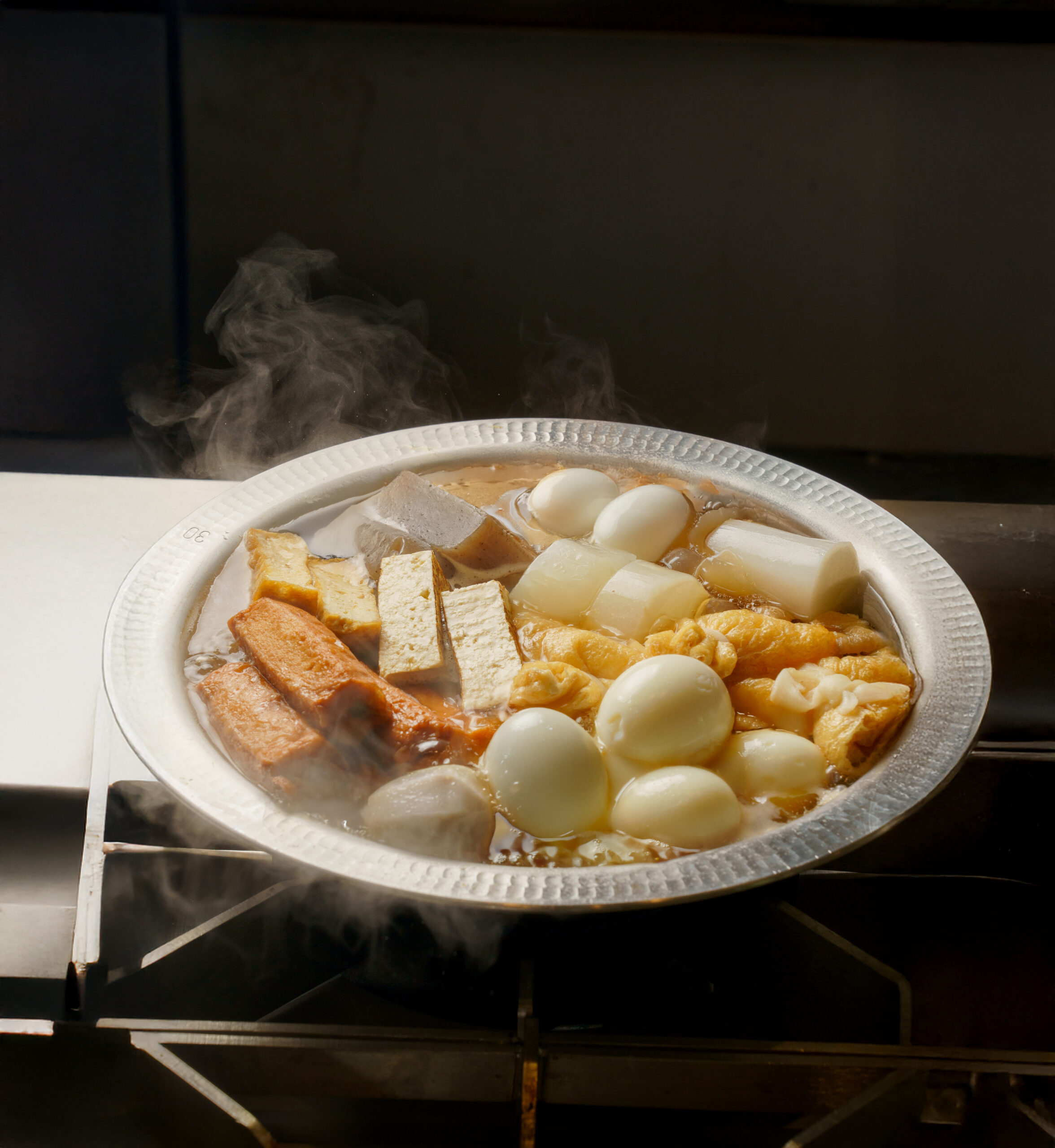
Oden is a dish people crave when the weather cools down. A hot bowl of it is deeply warming to the body and soul. It’s popular year-round now, often sold in easy boil-in-the-bag products.
The ancestor of oden is Dengaku-dofu, which was skewered tofu coated in miso . How did this change into a hotpot? Nobuaki Obiki, a Japanese cuisine instructor, explains
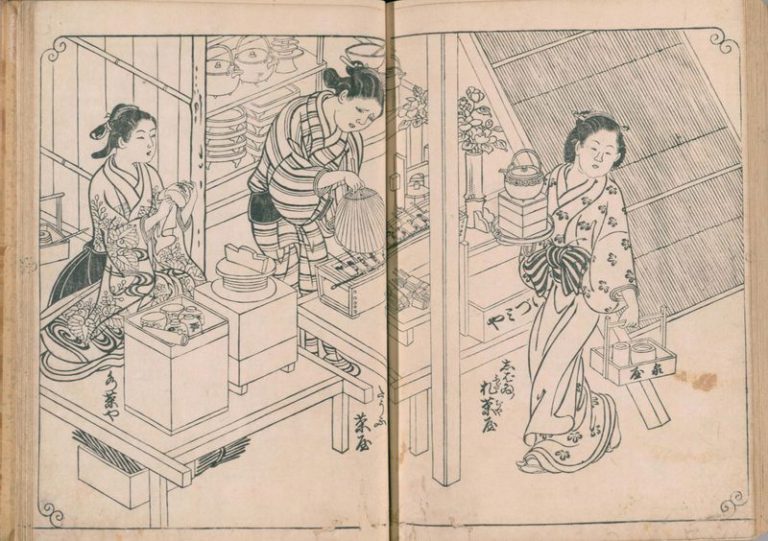
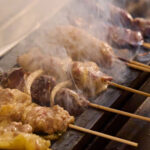
- From Dengaku to Oden Dengaku-dofu was popular during the Muromachi period. Among court ladies, it was called “O-dengaku” (adding the polite prefix ‘O’), which was shortened to “Oden.” For a long time, the word oden still referred to dengaku, not the stewed dish we know today.
- The Shift to Stewing In the Edo period, dengaku diversified, using ingredients like konjac (konnyaku), eggplant, and fish. The style of stewed dengaku (skewered ingredients cooked in hot water) emerged late in the Edo period. Initially, people dipped the skewered ingredients in soy sauce or miso paste, but this evolved into stewing them directly in a soy sauce-flavored broth. Nobuaki suggests this shift from grilling to stewing likely happened as food stalls and teahouses prioritized efficiency for their fast-food service. Eventually, the stewed version was simply called Oden.
- A Family Meal Oden became associated with family mealtimes around the low chabudai dining table, an image that grew popular in the Showa period (1926–1989). This change was due to the chabudai table making family dining more common, bringing large shared dishes like hotpots to the dinner table.
Easy Cooking Tips and Popular Ingredients
To make oden even tastier, focus on three things: the dashi, the ingredients, and the heat level.
- Dashi and Ingredients Choose a dashi flavor you like, then select ingredients that complement it. Fish paste products are recommended as they release umami into the broth. Root vegetables (like daikon) absorb the broth beautifully.
- Heat Simmer ingredients over low heat. This prevents fish pastes from becoming tough and tofu from hardening.
Regional Diversity: A Map of Local Flavors
As oden traveled across Japan, it adopted unique regional variations, particularly in the broth (dashi) culture
- Kanto vs. Kansai
- Tokyo (Kanto) generally uses bonito dashi (skipjack tuna flakes) seasoned with dark soy sauce, resulting in a richer, darker broth. Popular ingredients include fish cakes like hanpen (half-moon shaped fish cake) and tsumire (fish meatballs).
- Kansai uses kelp dashi (seaweed) and light soy sauce, creating a clear broth that lets the ingredient flavors stand out. Preferences lean toward beef tendon, octopus, and hirousu (ganmodoki—fried tofu fritters).
- Unique Regional Styles
- Shizuoka Known for its extremely dark, black broth and unique way of eating it: sprinkling fish powder over black hanpen and pork.
- Aichi Features a strong miso culture, serving oden with miso paste or in a miso stew style (Nagoya oden is famous for this).
- Hokkaido includes specialty ingredients like milt (fish sperm).
- Okinawa often features pig’s feet.
This great variety—where each region’s oden is strong, free, and original—is what makes the dish so fascinating, according to Nobuaki. He notes that the lack of a single “correct” oden style allows for continued evolution, even leading to new types like tomato oden.
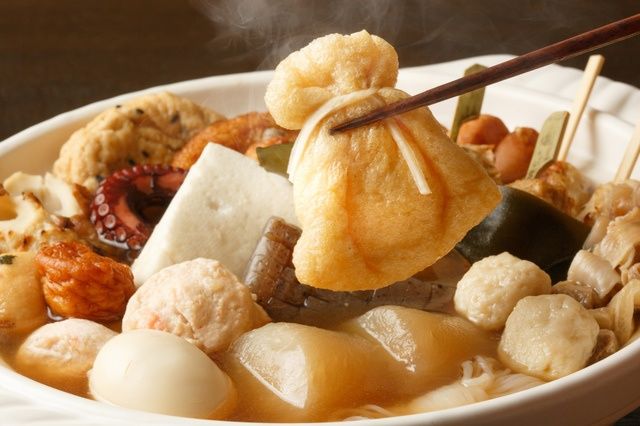
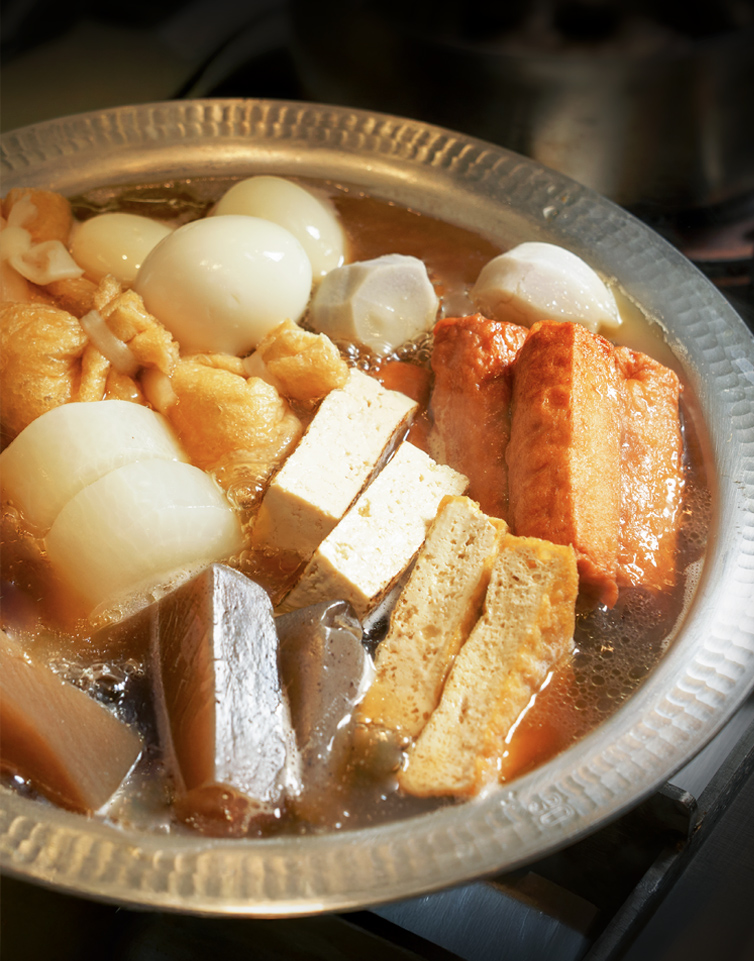
What’s in oden?
While regional versions vary, daikon (radish) and tofu fritters are standard. Here are some popular items:
- Daikon (Radish) , A classic; stewed until soft, pairs well with spicy karashi.
- Hard-Boiled Eggs , Choose darker ones—they’ve soaked up the dashi flavor longer.
- Konnyaku (Konjac) , Triangular, low-calorie, high-fiber blocks made from konjac potato root.
- Shirataki (Konjac Noodles) , Noodle-shaped konnyaku, best when steeped in the dashi.
- Atsuage (Thick Fried Tofu) , Fried golden outside, soft and white inside.
- Ganmodoki , Deep-fried tofu fritter with sliced vegetables (like carrot/burdock root).
- Kinchaku , Thin fried tofu “bags” filled with soft, warm mochi (rice cake).
- Chikuwa , Tube-shaped, lightly fried product made from surimi (ground fish paste).
- Satsuma-age , Fried seasoned surimi mixed with sliced vegetables.
- Cabbage Rolls , A popular variant filled with minced meat.
Other popular items include kelp, beef tendon, octopus, and meatballs.