7 key food trends by MICHELIN Guide Inspectors
- 26 January 2026
7 key food trends by MICHELIN Guide Inspectors
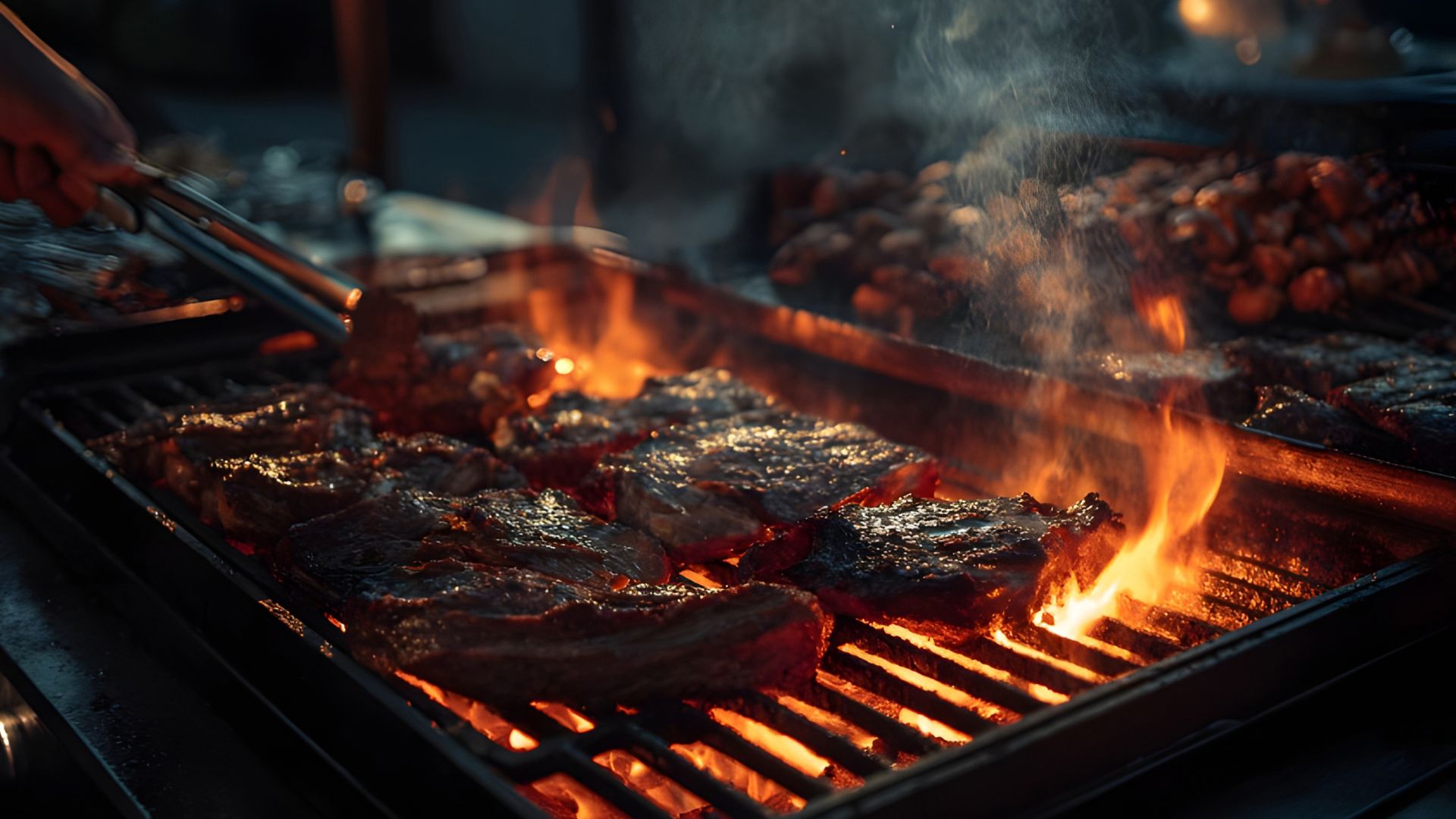
1. Char, Smoke, and Flame: The New Standard
Chefs are moving away from overly complex styles toward the “theatre of fire.” Cooking over live flames is no longer just for steakhouses; it is a way to bring out the purest expression of flavor.
- The Technique: Using embers, wood, hot stones, and Binchotan (white Japanese charcoal).
- Global Examples: From slow-cooking over open fires in natural settings in Sweden to refined, contemporary grilling in Buenos Aires and simple, charcoal-grilled seafood in China.
2. Traditional Roots, Contemporary Results
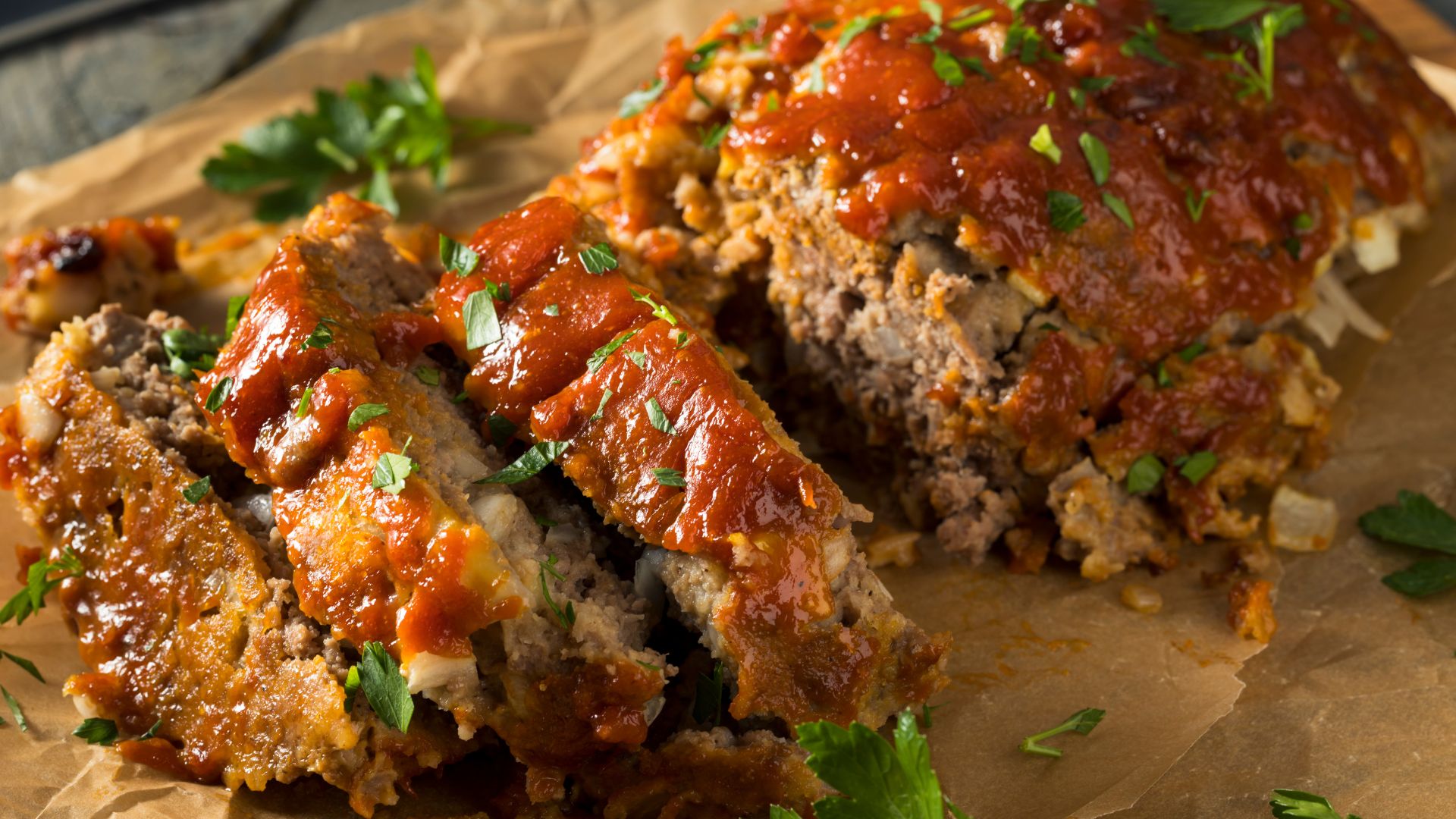
In regions where tradition has long anchored the cuisine (like Hungary or Poland), chefs are evolving. They are revisiting familiar family dishes and making them lighter and more refined while keeping their soul intact.
- The Shift: Classic meatloaves or herring dishes are being transformed into polished, elegant plates.
- Cultural Stories: In Asia, there is a renewed interest in “wild mountain ingredients,” using modern techniques to tell cultural stories and reinterpret heritage.
3. Embracing Bitterness and Depth (Umami)
The culinary world is leaning heavily into Bitterness and Umami to create structural depth without the need for heavy fats or sugars.
- Key Ingredients: Endive and radicchio have moved from garnishes to stars. Seaweed and concentrated stocks add savory structure.
- Tea as an Ingredient: In China, tea is being used to smoke poultry or perfume seafood, adding tannins and aroma without weight.
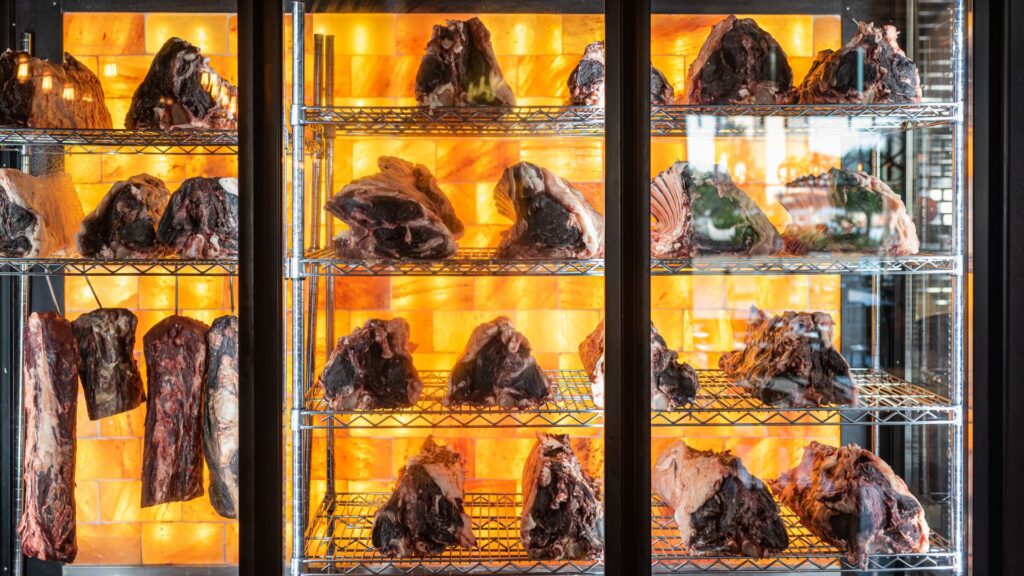
4. Time as a Secret Ingredient
In many top kitchens, flavor isn’t “added”—it is “developed” through patience. Processes that take time are being used to build complexity.
- The Methods: Marinating, dry-aging, and fermentation—specifically using Koji (a fermentation culture).
- Preservation: In Quebec, chefs use lacto-fermentation to preserve summer ingredients through long winters. In Bangkok, in-house ferments are used across entire menus to provide a unique “savory punch.
5. The Revival of the French Bistro
There is a global wave of nostalgia for straightforward French bistro cooking. Diners are craving the comfort of simple, well-loved classics.
- The Vibe: Red velvet seating, vintage photos, and accessible prices.
- The Strategy: Many Michelin-starred chefs are opening secondary, more casual bistros alongside their fine-dining establishments, offering classics like oeufs mayonnaise or île flottante.

6. Service as a Reflection of Identity
Service is becoming a clearer expression of a restaurant’s personality, moving away from “one-size-fits-all” formality.
- The Return of the Trolley: Gueridon service (carving or finishing dishes tableside) is making a comeback in Hangzhou, Penang, and France, putting the front-of-house team back at the center of the experience.
- Counter Culture: In places like Copenhagen and Quebec, counter service is booming. It offers a direct connection to the kitchen, often delivered by staff who express their personalities through informal styles, tattoos, and piercings, while remaining highly professional.
7. Shifting Momentum: New Food Hubs
While France and Japan remain the ultimate training grounds for technique, new culinary hubs are drawing world-class talent.
- Bangkok, Thailand: The city has become a major magnet for international chefs wanting to settle down and build lasting, high-quality projects.
- China: Rapid investment in regional cities is creating a high-quality dining scene that is expanding faster than ever before.
The lesson from the latest MICHELIN Guide observations is that there is no longer a single “correct” path to culinary excellence. Instead, there are more ways than ever for chefs to surprise us through authenticity, patience, and a deep respect for their tools and ingredients.
Craft Your Professional Identity Develop the advanced skills and service culture needed to lead the industry and surprise the world with your unique culinary storytelling. Master Global Trends at The Food School
Resourses : michelin