
SALT / MICROBE / TIME

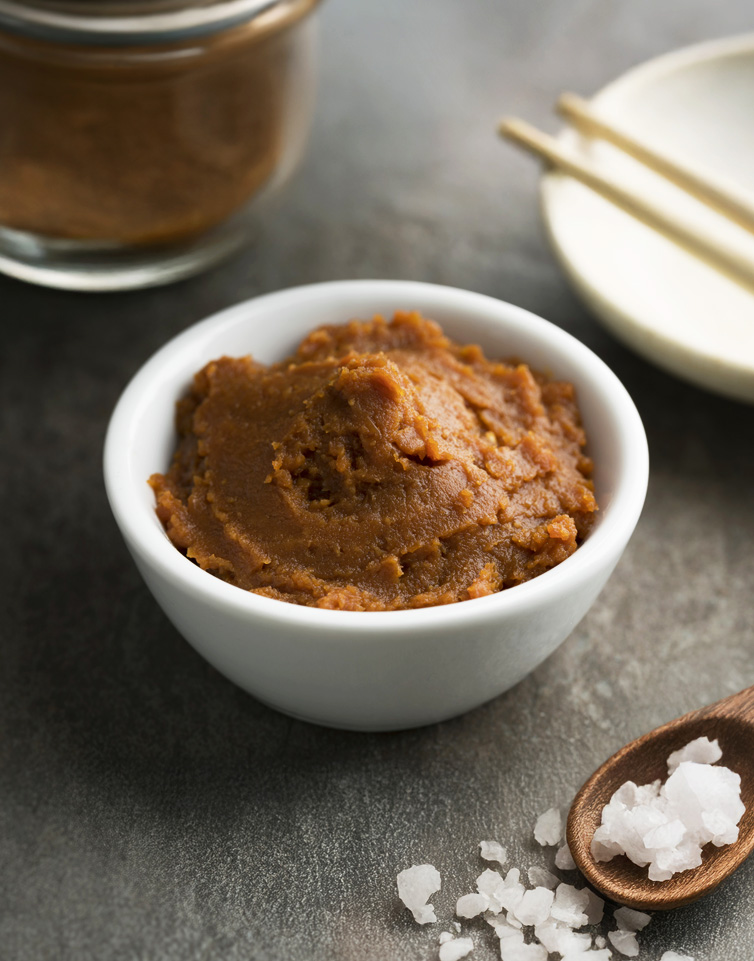
Join us for an immersive workshop on the art and science of salt, microbes and time, where you’ll discover how salt transforms humble ingredients into deep, savoury, umami-rich flavours. Through a mix of theory, demonstration, hands-on practice and staged tasting, you’ll explore six salt-driven systems, from brined fish and tomato, natto-started beans, kimchi and duck prosciutto to jackfruit seed miso-style ferment and fish sauce aged for about a year. You’ll calculate salt, complete the day-one process for each system, and taste instructor-prepared samples at different ages, from 2 hours to 1 year. Alongside practical skills, you’ll gain essential knowledge on fermentation safety, batch records and storage, so you leave with the confidence to design flavour through fermentation in your own kitchen. Make Today, Taste the Future.

Course Schedule
-
Class Date7 November 2026
-
Class Hour9:00 - 16:00
-
Total Hour6 Hours
-
Class Capacity16 Seats
| Qualified Age | Minimum 18 years old |
| Delivery Language | Thai / English |
| Suitable For | Upskilled and reskillers |
| Accomplishment | Certificate of Achievement by The Food School Bangkok |
What you will learn
- Understand how salt, microbes, enzymes and time work together to create new flavours, aromas and textures.
- Learn the science of salt: osmosis, diffusion, water activity, and protein and texture changes.
- Discover six fermentation systems: brining, alkaline, lacto, salt-curing, koji, and high-salt protein.
- Calculate salt percentages with a clear calculation basis, and see why the same percentage can behave differently.
- Understand the roles of microbes, enzymes, oxygen and temperature, from LAB in kimchi to Bacillus in thua-nao and protein breakdown in fish sauce.
- Gain practical skills in labelling, batch records, safety and follow-up, so you can keep fermenting with confidence.
Recipes
- Brine / Osmosis
- Brined fish and tomato, then grilled (4% brine; compare control vs brined)
- Alkaline Fermentation
- Thua-nao style beans using a natto starter
- Vegetable Lacto
- Napa cabbage kimchi (salt-cure method)
- Salt Cure / Drying
- Duck prosciutto
- Koji & Salt
- Jackfruit seed miso-style ferment
- High-salt Protein
- Fish sauce from fish heads, frames and trimmings (3:1 fish-to-salt)
Lecturers
Courses You Might Also Like
-
 01Jan
01JanFoundational Sommelier Skills
฿10,500.00Designed to build a strong foundation for wine beginners, this course is ideal for hospitality professionals, wine shopkeepers, import staff, and enthusiasts. It covers essential wine terminology, service techniques, and food pairings. With a wine tasting of 10 bottles, the course provides hands-on experience and practical skills to enhance customer interactions and improve wine selection expertise.
-
 01Jan
01JanJapanese Knife Skills: Fish Preparation
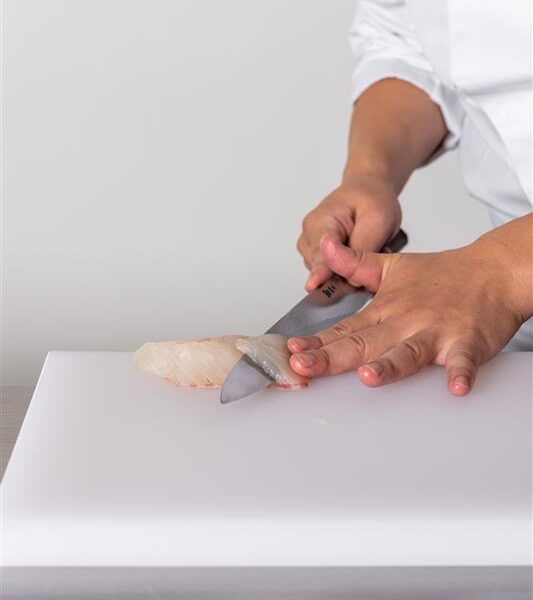
฿11,900.00One-Day Course: Mastering the Japanese Sea Bream (Tai). In this six-hour course, participants will discover the full culinary potential of Tai, the prized Japanese sea bream—celebrated for both its flavour and cultural significance. Each student will work with their own whole fish, gaining hands-on experience in essential techniques such as filleting, sashimi preparation, and utilising all parts of the fish to create delicious, zero-waste dishes. Guided by traditional Japanese methods and seasonal ingredients like burdock root and kombu, students will craft a well-balanced menu including: Sashimi, Ara-ni (Simmered Bony Fish Parts), and Sea Bream Rice (Tai Meshi). Perfect for culinary enthusiasts and professionals alike, this course offers a deeper understanding of Japanese knife skills, sustainable cooking, and the art of respectful ingredient use.
-
Fully Booked
 12Dec
12DecProfessional Ramen
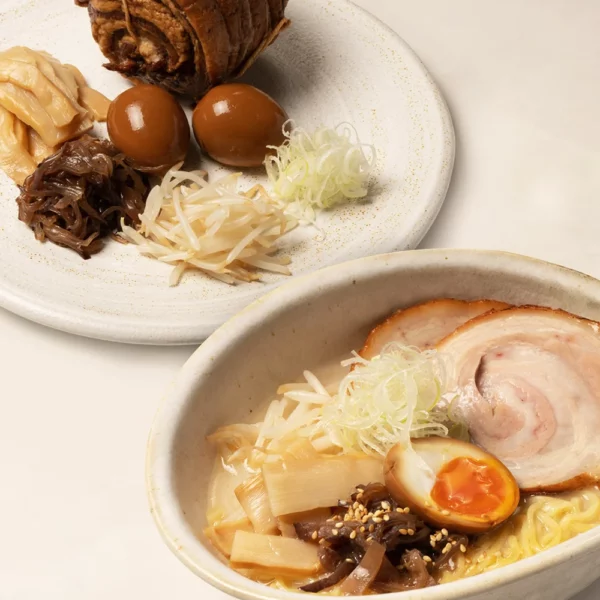
12-13 December 2026฿19,200.00Embark on a culinary adventure with our new 2-day Ramen Short Course by Tsuji Culinary Institute. Discover the art of crafting the perfect bowl of ramen, from noodle mastery to rich broth preparation. Elevate your skills and savour the authentic flavours of this beloved Japanese comfort food. Join us for a transformative experience in the world of ramen.
-
 01Jan
01JanThai Technique – Stir Fried #1
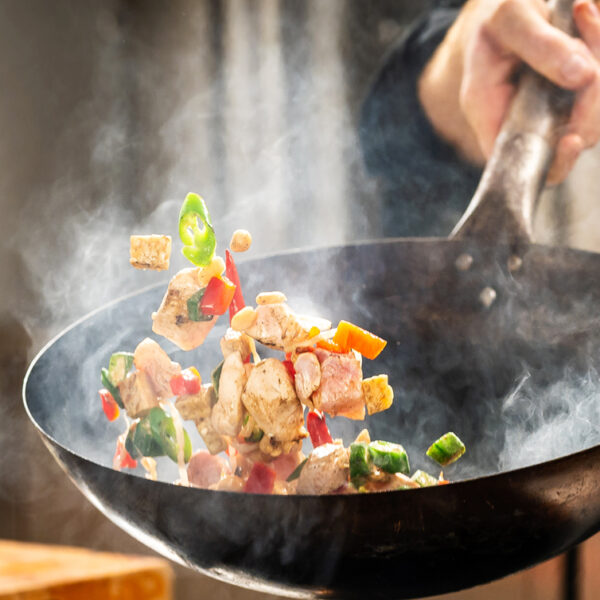
฿3,900.00This 3-hour class introduces the foundational stir-fry techniques behind some of Thailand’s most beloved dishes. Prepare seafood stir fried curry, stir fried prawn with cashew nuts, and stir fried noodles with chicken.
Through a blend of food product knowledge, live demonstration, and hands-on practice, students will master wok handling, flavour balancing, and ingredient preparation, while learning to control heat and timing for stir-fry success.