Why We Should Let Children Cook
- 20 February 2026
Why We Should Let Children Cook
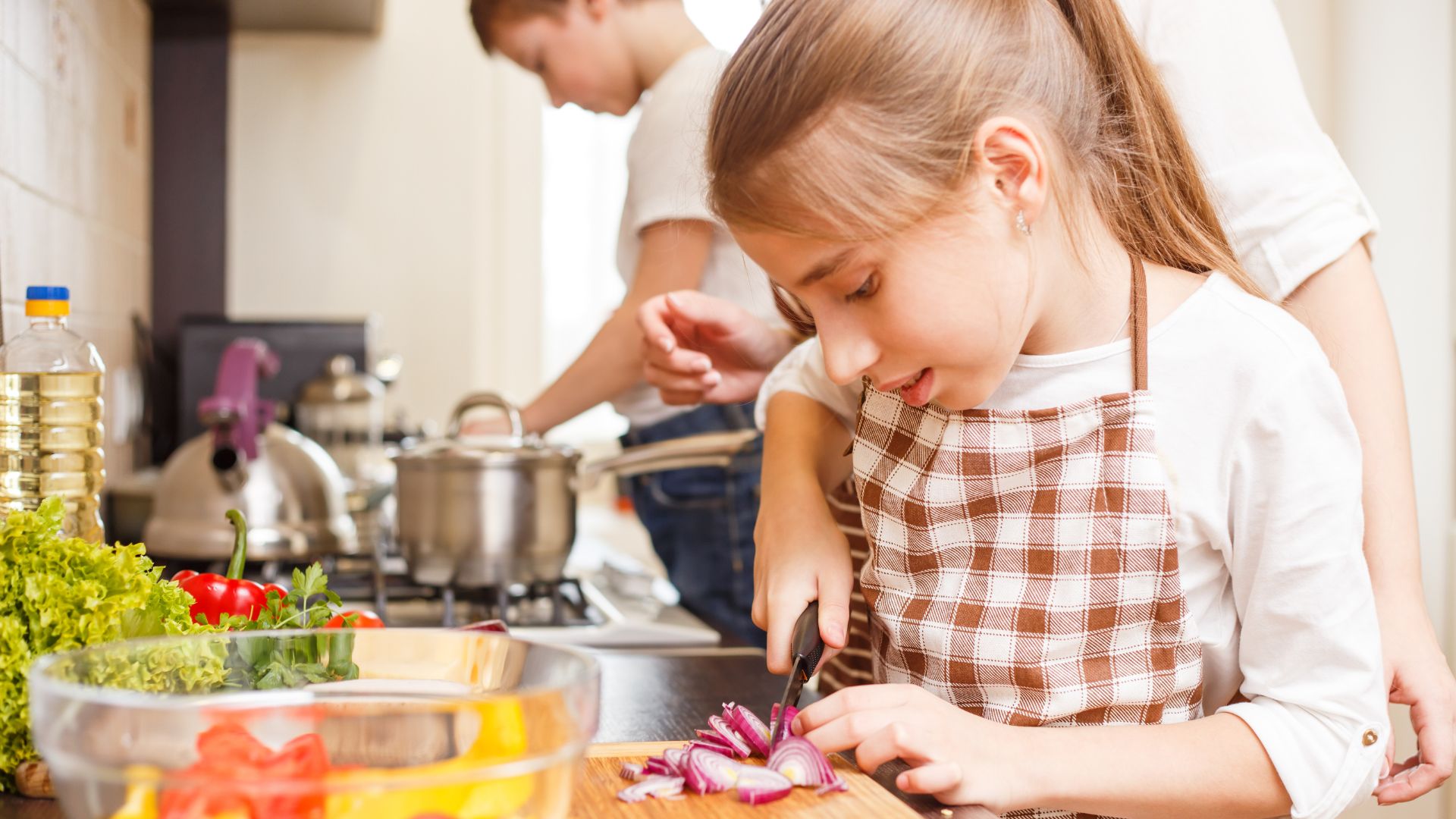
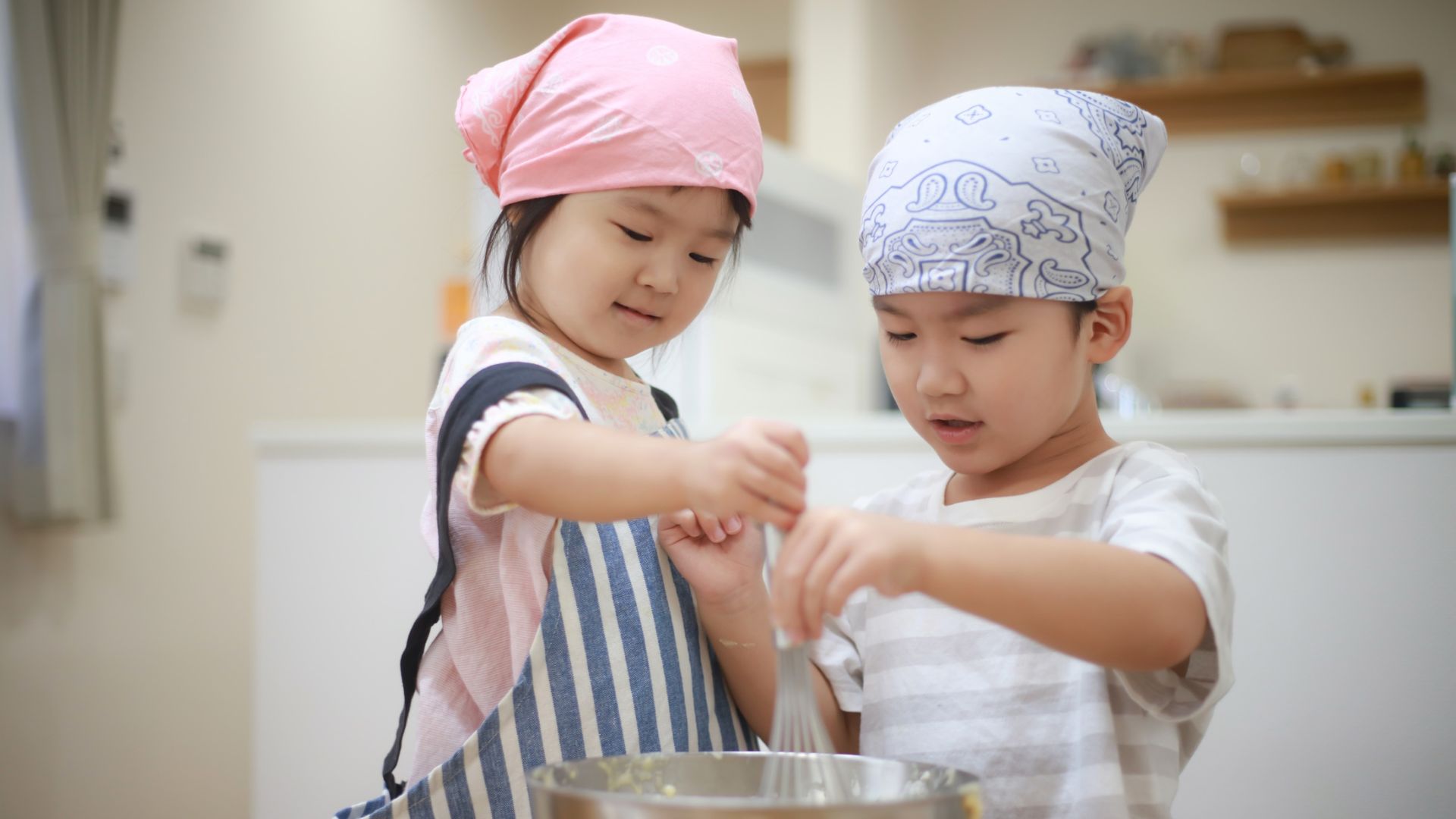
Teaching children how to cook is one of the best ways to foster a positive relationship with food. There are many ways to do this at any age. It allows children to experience food without the pressure of having to eat it. However, once they are involved in the preparation process, they are often more open to trying and eating a wider variety of foods.
Physical Development Benefits
- Fine Motor Skills
Tasks such as stirring, chopping (under supervision), and measuring all help develop fine motor skills in a child’s hands, eyes, and fingers.
- Gross Motor Skills
Activities like kneeling dough or mixing thick ingredients help improve gross motor coordination, which involves larger muscle groups in the arms and throughout the body.
Cognitive Development Benefits
- Math Skills
Measuring ingredients and counting numbers reinforce mathematical concepts like fractions and quantities.
- Reading Skills
Reading recipes and following step-by-step instructions help strengthen literacy skills.
- Scientific Understanding
Cooking introduces basic science, such as how heat changes the state of food or the role of yeast in bread making.
- Problem-Solving and Critical Thinking
Following recipes or figuring out ingredient substitutions helps boost a child’s problem-solving and critical thinking abilities.
Nutritional Benefits
- Exposure to New Foods
Cooking together encourages children to try new ingredients and develops a more diverse palate.
- Understanding Nutrition
Learning about ingredients and preparation helps build an understanding of what a balanced meal looks like.
- Increased Appetite
Children are often more willing to eat meals they helped prepare, leading to better overall nutritional intake.
Social and Emotional Benefits
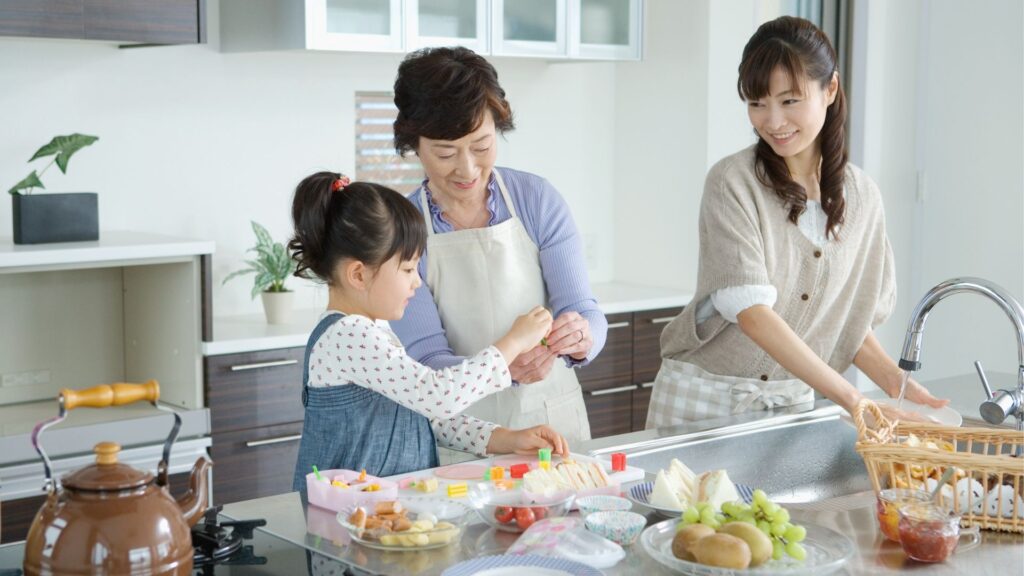
- Cooking together is a valuable life skill and a great opportunity to spend quality time doing something enjoyable.
- Assigning age-appropriate kitchen tasks teaches responsibility and boosts a child’s confidence and independence.
- Cooking requires following steps and waiting for food to be ready, which helps children develop patience and focus.
- Completing a recipe provides a sense of achievement. For example, trying a “Homemade Chicken Nuggets” activity allows children to follow a recipe and create a meal with minimal processing.
Benefits of Teaching Your Teen to Cook
- Understanding Healthy Eating
Explaining for the hundredth time why you can’t have fast food every night can be exhausting. The best way to show teens the difference between home-cooked meals and takeout is by grocery shopping and cooking together. This teaches them what a healthy meal actually contains—like fruits, vegetables, whole grains, and lean proteins—and what is unnecessary, such as preservatives, artificial flavorings, or excessive sugar. A balanced diet doesn’t just benefit physical health; it is crucial for mental well-being, especially during the teenage years when the mind and body are still developing.
- Learning Self-Sufficiency
Whether you are out with friends for the evening or the day comes when they move out of the house, your child will eventually need to feed themselves. When that time comes, knowing how to cook will make their lives cheaper, healthier, and safer. Skills like picking a perfectly ripe avocado or whipping up a meal on a tight budget are invaluable life lessons. Even if they still choose instant noodles occasionally, at least they have better options available to them.
- Boosting Self-Confidence
When a teen can independently shop for, prep, cook, and serve a meal—even a simple snack—it fosters a sense of pride and accomplishment. It may seem like a small thing, but these minor successes help teens believe in themselves. A teenager who knows they can take care of their own needs will be better prepared to face life’s other challenges, from hosting friends to nailing their first job interview.
- Preserving Family Recipes
Teaching your teen to cook is a wonderful way to pass down special family recipes. It provides an opportunity to share stories about ancestry and culture, helping the teen learn more about who they are and where they come from. Moreover, it ensures that your grandmother’s signature dishes will always have a place on the dinner table during important holidays, no matter how much time passes.
- Learning the Value of Giving Back
Involving your teen in cooking for the household gives them a chance to contribute to the family. It teaches them the importance of being a “giver” and allows them to recognize the hard work behind the delicious meals they receive every night. They will learn to appreciate those around them, value acts of kindness, and begin to see themselves as an essential part of a family team that works together.
4 Ways to Make Cooking Fun for Your Child
- Involve them in safe preparation
Let them help chop vegetables safely or assist with measuring, adding, and stirring ingredients. For toddlers, look for inspiration in “Mealtime Challenges.” - Let them make decisions
Give them a choice between two or three types of vegetables or side dishes. This empowers them to choose within set boundaries. - Try simple recipes together
Cook “Easy Family Dinner” recipes. If they feel comfortable, encourage them to taste the food they created. - Use your imagination
Pretend to be chefs in a restaurant or host a “Family Theme Night” (e.g., Picnic, American, Chinese, Indian, or Mexican night). Decorate the kitchen, write a menu, and let your child draw pictures for the guests to make it a full family experience.
Fuel Your Potential at Teenage Cooking Camp
At The Food School Bangkok, we believe that teenagers possess limitless potential and creativity. That’s why we’ve designed the Teenage Cooking Camp—a program tailored for young enthusiasts eager to experience culinary arts at an international standard.
Why Join Our Camp?
- Professional Environment
Learn in Bangkok’s most sophisticated kitchen laboratories. Students will get hands-on experience with professional-grade equipment used in top-tier restaurants globally.
- Global Flavors
Embark on a delicious journey through world cuisines. Whether it’s Italian classics, Japanese delicacies, or artisanal bakery, students learn under the close mentorship of expert chefs.
- More Than Just Cooking
Beyond mastering flavors, we focus on developing systematic thinking, real-time problem solving, and essential teamwork—crucial life skills for growing into a well-rounded adult.
- Build Confidence
Transform hesitation into pride. There is no feeling quite like serving a beautiful, delicious dish made with your own hands and bringing those secret recipes home to surprise the family.
Make this school break or holiday the beginning of a self-discovery journey through the world of culinary arts at The Food School Bangkok.
319